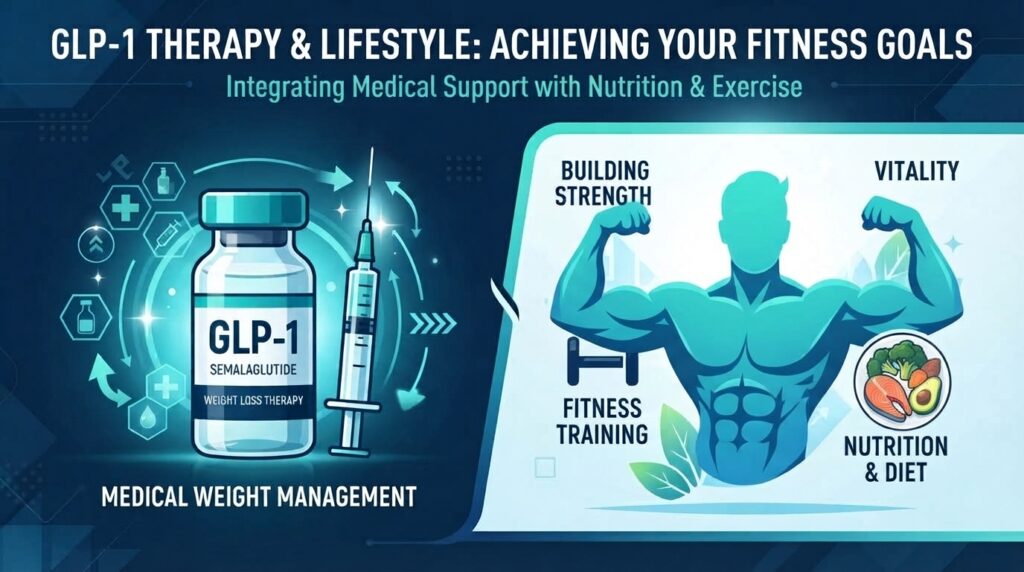
Glucagon-like peptide-1 (GLP-1) receptor agonists have completely changed the landscape of medical weight loss. Injections like Wegovy, Ozempic, Mounjaro, and Zepbound help millions of people reduce their body weight. However, a silent anatomical problem is growing beneath the surface of these transformations. Medical researchers and top fitness professionals call this phenomenon the GLP-1 muscle crisis.
When you step on a standard scale, it only shows a single number. It does not separate fat from bone, water, or skeletal tissue. Unfortunately, clinical trials reveal an alarming statistic. Up to 25% to 40% of the total weight lost on these medications can come from lean muscle mass, rather than stored fat tissue. This rapid, involuntary structural reduction can compromise your overall physical function and metabolic health.
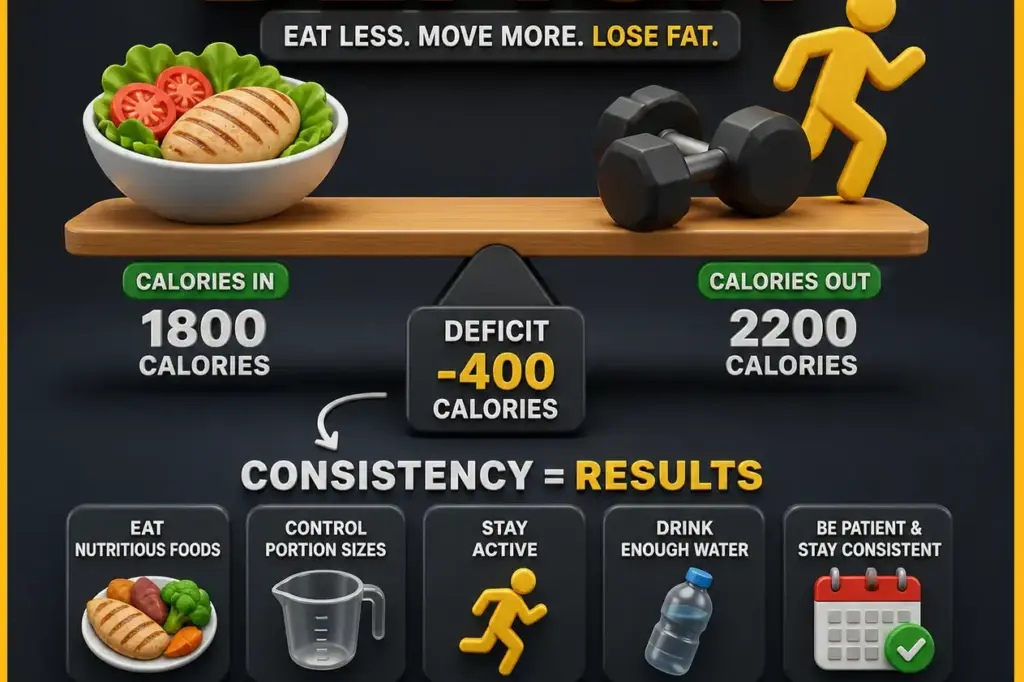
Fortunately, physical deterioration is not an inevitable tax you must pay for a slimmer waistline. This comprehensive guide will explain why this tissue degradation occurs and who these medical treatments are truly meant for. Because these injections work by forcing you into a steep, sudden drop in daily energy intake, it helps to understand how your body manages energy during a standard diet. Before diving into medical options, check out our foundational guide on the mechanics of a [calorie deficit] to see how fat loss works naturally. By combining these core strategies, you can learn how to prevent muscle loss on GLP 1, preserve your metabolism, protect your joints, and build a truly resilient body.
When to Use GLP-1 Medications and Which Age Group Should Use It
GLP-1 receptor agonists are powerful medical treatments, not casual lifestyle hacks. Therefore, it is critical to understand exactly when to use them and who qualifies under regulatory guidelines.
When to Use GLP-1s
Doctors prescribe these medications for chronic weight management alongside a reduced-calorie diet and increased physical activity. Typically, a patient qualifies if they meet specific body composition criteria:
- Obesity: A Body Mass Index (BMI) of 30 kg/m² or greater.
- Heigher weight with Comorbidities: A BMI of 27 kg/m² or greater, combined with at least one weight-related medical issue. These issues include type 2 diabetes, high blood pressure, high cholesterol, or obstructive sleep apnoea.
Which Age Group Should Use It?
The primary age demographic for GLP-1 weight-loss medications consists of adults aged 18 and older.
However, medical regulators like the MHRA in the UK and the FDA in the US have expanded approval to adolescents aged 12 to 17 years. For teenagers to qualify, they must have a BMI at or above the 95th percentile for their age and gender, weigh over 60 kg, and undergo strict, specialist paediatric supervision.
Conversely, caution is advised for older adults aged 75 and above. While there is no absolute upper age limit, clinical trial data for older people is limited. Older individuals face a much higher natural risk of sarcopenia (age-related muscle wasting), making muscle preservation strategies absolutely mandatory for this age group.
The Core Benefits and Side Effects of GLP-1 Therapy
Before looking at muscle preservation, you must weigh the clinical pros and cons of these therapies.
The Major Benefits
- Substantial Weight Reduction: Clinical trials show that patients can lose between 15% and 22% of their initial body weight, depending on the specific molecule used.
- Cardiovascular Protection: These drugs significantly reduce the risk of major adverse cardiovascular events, such as heart attacks and strokes, in adults with established heart disease.
- Metabolic Improvement: GLP-1s lower blood sugar, improve insulin sensitivity, and can even push type 2 diabetes into remission.
The Common and Serious Side Effects
- Gastrointestinal Distress: The most frequent issues include intense nausea, vomiting, diarrhoea, constipation, and stomach pain.
- Slowing of Gastric Emptying: Because the stomach empties slower, users frequently experience acid reflux and severe bloating.
- Serious Risks: Though rare, serious complications can include pancreatitis, gallbladder issues, and severe dehydration. There is also a boxed warning regarding a history of medullary thyroid carcinoma.
Why Losing Muscle is a Metabolic Emergency
To understand why muscle loss requires urgent attention, you must realize how your body treats tissue during a caloric deficit. GLP-1 medications work primarily by delaying gastric emptying and altering neural appetite signals. As a direct result, your daily food intake plummets. When you enter a sudden, steep caloric deficit, your body must find alternative internal energy sources to survive.
The Danger of a Ruined Metabolism
Losing a significant portion of your lean mass triggers a massive drop in your Resting Metabolic Rate (BMR). Your BMR dictates how many calories your organs burn at rest just to keep you alive. Consequently, when your lean mass drops, your daily calorie-burning capacity shrinks. To see what your baseline daily calorie burn looks like right now, you can use our free [BMR calculator] to map out your baseline metrics. From there, you can calculate your full daily energy expenditure using our [TDEE] framework. This specific baseline decline sets up a dangerous long-term trap known as weight cycling if you do not track your energy output.
Recognizing the GLP-1 Muscle Loss Symptoms
Many people do not realize they are losing muscle until the damage is already done. Keep an eye out for these primary GLP-1 muscle loss symptoms:
- Plateauing Strength: You suddenly find it much harder to lift everyday objects, carry groceries, or push through exercises that used to be easy.
- The “Skinny Fat” Effect: The numbers on the scale are dropping rapidly, but your reflection looks increasingly “soft” and loose rather than firm and toned.
- Severe Mid-Day Fatigue: Because muscle stores glycogen for energy, losing muscle tissue cuts your body’s physical energy reserves, causing chronic exhaustion.
- Sudden Joint Aches: Your knees, lower back, or hips start hurting. This happens because your weakening muscles can no longer absorb shock or support your skeletal frame.
How to Prevent Muscle Loss on GLP 1: The 3-Step Delta Fitness Blueprint
Preserving your hard-earned lean mass while utilizing weight-loss medication requires a structured strategy. You cannot leave your body composition to chance. By implementing this three-step blueprint, you can successfully redirect your body to burn fat while aggressively protecting its structural integrity.
1. Prioritize a “Protein First” Nutrition Strategy
The primary mechanism of GLP-1 therapies is severe appetite suppression. Because you get full incredibly fast, your total daily food volume shrinks dramatically. If you sit down to a meal and eat your vegetables, grains, or starches first, you will run out of gastric space. Thus, you will not have room left for your required protein source. Therefore, you must establish a strict “protein first” behavioral rule at every single meal. Your meat, fish, eggs, tofu, or dairy must be consumed before anything else on your plate. To effectively minimize lean tissue degradation, research indicates that individuals undergoing rapid weight reduction should aim for a baseline floor of 1.2 to 1.6 grams of protein per kilogram of body weight each day. If you are struggling to reach this target with your lowered appetite, read our complete guide on selecting the [best protein for weight loss].
2. Implement Mandatory Progressive Resistance Training
Cardiovascular exercise is fantastic for your respiratory health, but it is entirely insufficient for protecting muscle mass during rapid weight loss. For instance, while walking on a traditional [treadmill] or using a space-saving option like the [best compact treadmill] is phenomenal for daily movement, cardio alone will not protect your muscles from wasting. To stop your body from dissolving your lean tissue for fuel, you must send an undeniable physiological signal to your central nervous system. You need to show your body that your muscles are completely mandatory for daily survival. The only way to create this stimulus is through regular, structured progressive resistance training. You should aim for a minimum of 2 to 3 full-body strength training sessions per week.
3. Use Strategic Supplements for Comprehensive Muscle Support
Meeting your optimal nutritional benchmarks can be a massive chore when you are dealing with the nausea or intense fullness associated with GLP-1 medications. Strategic supplementation acts as an efficient insurance policy to preserve your health.
- Creatine Monohydrate (5 Grams Daily): This is the most thoroughly researched sports science supplement in existence. Creatine aids in cellular energy production and increases muscular hydration. It directly helps preserve cellular strength and lean mass even during periods of severe caloric restriction.
- High-Quality Whey or Plant Isolated Protein Powders: When solid food feels unappetizing, consuming a liquid protein shake can easily help you hit your daily targets. This allows you to reach your 1.2 to 1.6g/kg goal without overloading your digestive system.
- Essential Micronutrients: Rapidly eating less food means you are also consuming fewer micronutrients. Ensure you back up your wellness routine with a high-quality multivitamin containing Vitamin D3 and Magnesium, which are both critical for maintaining healthy muscle function and bone density.
Deep-Dive Frequently Asked Questions
1. Can you gain muscle loss from GLP-1?
Yes, you can absolutely rebuild and gain back the muscle tissue you lost while taking a GLP-1 medication. However, doing so requires transitioning away from a steep calorie deficit. You must shift into a structured muscle-building phase. To achieve this, you need to slightly increase your daily caloric intake to a maintenance level or a small surplus. Combined with consistent, heavy resistance training and a high-protein diet, your body will naturally enter an anabolic state. This state allows you to successfully build back your lean skeletal mass.
2. Can muscle atrophy be reversed?
In the vast majority of cases, muscle atrophy caused by rapid weight loss or inactivity can be completely reversed. This process is called muscle hypertrophy. When you challenge your muscles with resistance training, you create microscopic tears in the muscle fibers. When you rest and consume adequate protein, your body repairs these fibers. Consequently, it makes them larger, denser, and stronger than they were before. While the reversal process takes time and consistency, the human body remains highly adaptable at any age.
3. What does muscle atrophy look like?
Physically, muscle atrophy often looks like a loss of muscle definition, firmness, and overall volume. On a weight loss journey, it often manifests as a “soft” or “skinny fat” appearance. This occurs because the scale drops, but the body composition ratio changes unfavorably. For instance, an atrophied limb may look visibly smaller or looser than it used to. Furthermore, you might notice structural changes like poor posture or a lack of physical stability. Functionally, it looks like a sudden, noticeable drop in your strength during everyday activities.
Conclusion: Prioritize Physical Longevity Over Scale Victories
A lower number on your bathroom scale should never be celebrated if it comes at the cost of your long-term mobility, metabolic health, and physical strength. GLP-1 medications are truly revolutionary tools for chronic weight management, but they cannot replace the foundational laws of human physiology.
Your daily lifestyle habits will ultimately determine the quality of your weight loss results. By systematically implementing a “protein first” diet, lifting weights consistently, and supplementing intelligently, you will successfully master how to prevent muscle loss on GLP 1. This ensures that when you lose weight, you emerge as a stronger, leaner, and healthier version of yourself. If you want to accurately measure exactly how many calories your body needs to maintain a healthy composition while on this journey, head over to our free [calorie deficit calculator] to map out your precise wellness targets today.
🌐 References for Verification
- The New England Journal of Medicine (NEJM) / The Lancet: Clinical body composition data from the landmark STEP and SURMOUNT weight management trials.
- PubMed Central (PMC) – National Institutes of Health: Strategies for Minimizing Muscle Loss During Use of Incretin-Mimetic Drugs for Obesity (Study review on nutrition and exercise interactions).
- International Journal of Sport Nutrition and Exercise Metabolism (IJSNEM): Consensus statements regarding optimal protein distribution (1.2–1.6 g/kg/day) for tissue preservation during metabolic deficits.