
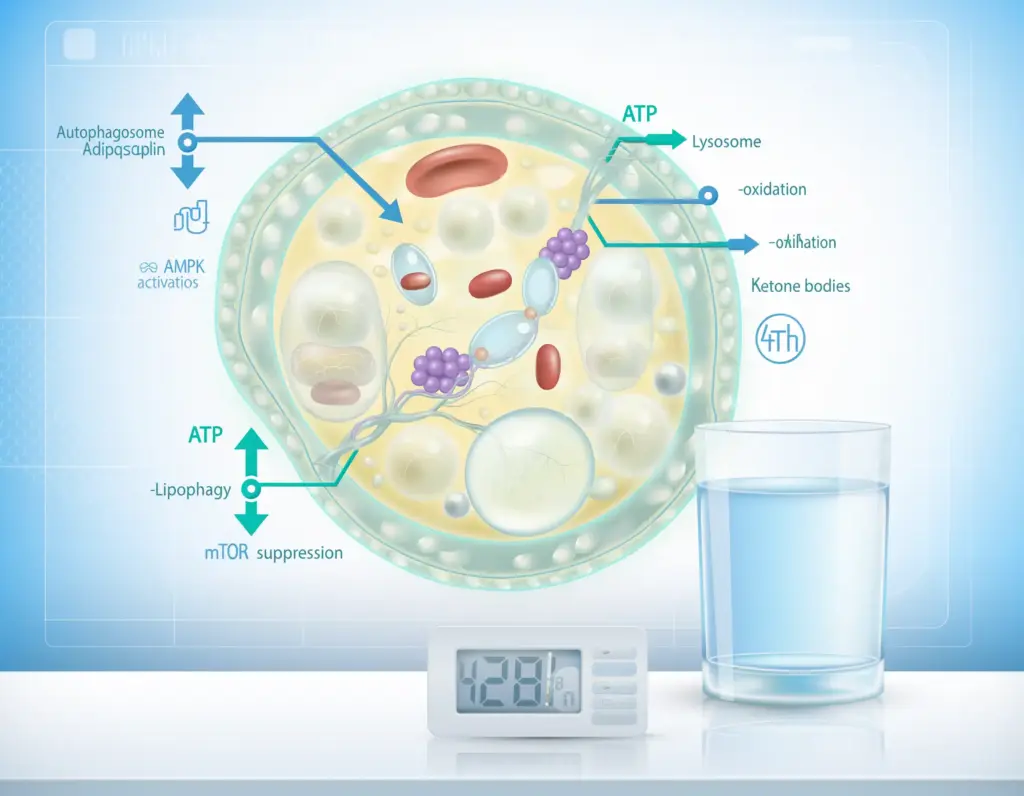
Fasting has been practiced for centuries for spiritual, cultural, and health reasons. In recent years, however, water fasting has gained attention as a weight-loss and detox trend. Many people ask questions such as: can you drink water while fasting, what is water fasting, or can I drink water before a fasting blood test?
What Is Water Fasting?
This is a type of fasting where you consume only water for a specific period of time. Unlike other fasting methods that allow certain foods or beverages, a water fast eliminates all calories. You avoid solid food, juices, and caloric drinks.
So, what is a water fast in simple terms? It is a short-term eating pattern where water becomes your only source of intake. Most water fasts last between 24 and 72 hours, although some people attempt longer fasts under medical supervision.
During this period, your body shifts from using glucose as its main energy source to burning stored fat. As a result, many individuals consider it a quick way to reduce body weight. However, the process is more complex than it appears.
Can You Drink Water While Fasting?
The answer depends on the type of fast.
If you are doing a water fast, then yes, drinking water is the only thing you consume. In fact, staying hydrated is essential because your body still needs fluids for circulation, digestion, and temperature regulation.
However, if you are observing a religious fast or another form of fasting, rules may differ. For example, some traditions restrict both food and water during daylight hours. Therefore, it is important to understand the specific fasting method you are following.
From a health perspective, drinking water during most non-religious fasts is encouraged to prevent dehydration.
Can I Drink Water Before a Fasting Blood Test?
This is a very common concern. When doctors request a fasting blood test, they usually mean no food or caloric beverages for 8 to 12 hours before the test.
In most cases, you can drink water before a fasting blood test. Plain water does not affect blood sugar, cholesterol, or other routine lab results. In fact, drinking water can make it easier for healthcare professionals to draw blood.
Nevertheless, it is always wise to follow your doctor’s specific instructions. If you are unsure, contact the clinic before your appointment.
Fasting and Water: How the Body Responds
Understanding fasting and water requires knowing how the body reacts when food intake stops.
First, your body uses stored glycogen, which is glucose kept in the liver and muscles. Once those stores are depleted, usually within 24 hours, the body begins to break down fat for energy. This process produces ketones, which serve as an alternative fuel source.
Additionally, insulin levels drop during fasting. Lower insulin levels can encourage fat burning. At the same time, growth hormone levels may increase, helping preserve muscle mass.
However, prolonged fasting can also lead to muscle breakdown, nutrient deficiencies, fatigue, and dizziness. Therefore, although short fasts may be manageable for some individuals, extended water fasting can pose health risks.
Water Fasting Guide for Weight Loss
How to Lose Weight with Water Fast
Many people are curious about how to lose weight with water fast methods. While it is true that weight often drops quickly during a water fast, much of the initial loss comes from water weight and glycogen depletion.
Here is how it typically works:
- Reduced calorie intake leads to a calorie deficit.
- Glycogen stores decrease, causing water loss.
- Fat burning increases once glucose stores are used up.
However, rapid weight loss is not always sustainable. Once normal eating resumes, some of the lost weight may return. Furthermore, severe calorie restriction can slow metabolism over time.
If weight loss is your goal, a balanced approach that includes moderate calorie control, regular exercise, and proper hydration is usually more effective in the long term than repeated water fasts.
Risks to Consider
Although some individuals report positive results, this is not safe for everyone. It may be risky for people who:
- Have diabetes
- Take blood pressure medication
- Have a history of eating disorders
- Are pregnant or breastfeeding
- Have chronic medical conditions
In such cases, fasting without medical supervision can cause serious complications, including low blood sugar, electrolyte imbalance, or fainting.
Water Fasting Benefits
Supporters of water fasting often mention several potential benefits. While research is still evolving, some proposed advantages include:
1. Weight Reduction
Short-term calorie restriction can lead to temporary weight loss.
2. Improved Insulin Sensitivity
Fasting may help lower insulin levels, which can improve how the body manages blood sugar.
3. Cellular Repair
Some studies suggest that fasting may promote autophagy, a process where cells remove damaged components.
4. Mental Clarity
Certain individuals report increased focus after the initial adjustment period.However, it is important to note that many of these water fasting benefits require further scientific validation. Moreover, benefits must always be weighed against potential risks.
FAQs
1, Can you drink water while fasting?
Yes, in a water presto, drinking water is allowed and necessary. In medical fasts, plain water is generally permitted. still, rules vary in religious fasting.
2. Can I drink water before a fasting blood test?
In utmost cases, yes. Plain water is generally allowed and may indeed help with blood collection. Always confirm with your healthcare provider for specific instructions.
3. What is the difference between intermittent fasting and a water gormandize?
Intermittent fasting involves eating within certain time windows and fasting during others, while a water fast eliminates all food and calories for a nonstop period.
How to Prepare for a Water Fast
If you are considering a short water fast, preparation matters.
First, gradually reduce portion sizes a few days before starting. This can make the transition easier. Next, avoid heavy or processed meals before the fast. Instead, choose light, nutrient-dense foods.
During the fast, drink enough water throughout the day. Listen carefully to your body. If you experience severe weakness, confusion, or fainting, stop immediately and seek medical advice.
After the fast, reintroduce food slowly. Begin with small, balanced meals rather than overeating. This helps your digestive system adjust smoothly.
Final Studies
Water fasting has come popular for weight loss and implicit health benefits. still, it is not a magic result. While some individualities witness short- term advancements, others may face pitfalls if fasting is not done duly.
This Guide highlights that informed opinions are essential. Before trying any extended fast, consider your health status and consult a medical professional. In the end, sustainable life changes frequently give safer and longer- lasting results than extreme approaches.