
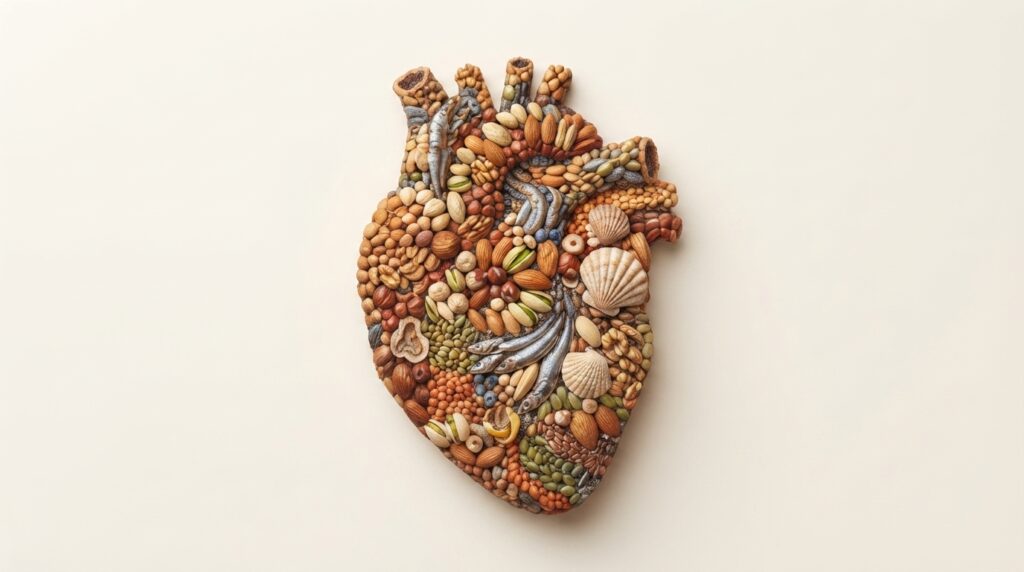
The Mediterranean diet for diabetes and heart health is a way of eating that emphasizes vegetables, legumes, whole grains, fruits, nuts, seeds, fish, olive oil, and other minimally processed foods.The Mediterranean approach is part of a broader healthy eating pattern, where food quality and balanced nutrition matter more than following restrictive rules. Instead of focusing on one particular food, it encourages an overall pattern that can support better nutrition and long-term health.
This approach can be especially useful when blood sugar and cardiovascular health need attention at the same time. Foods rich in fiber may help slow the absorption of carbohydrates, while sources of unsaturated fats and plant foods can contribute to a heart-friendly eating pattern.
1. The Mediterranean Approach
The traditional Mediterranean eating pattern is mostly plant-based, although it can include fish, seafood, poultry, eggs, yogurt, and other animal foods. Olive oil is commonly used as a source of fat, while vegetables, beans, lentils, whole grains, nuts, and seeds provide much of the diet’s fiber and nutrients.
More than a diet
The Mediterranean approach is better understood as a long term eating pattern rather than a short term diet. Meals are generally built around whole or minimally processed ingredients instead of highly processed products.
For someone managing diabetes, this distinction is important. A nutritious eating pattern does not have to mean removing every carbohydrate containing food. Instead, the type, amount, and combination of carbohydrates can make a difference.
The same principle applies to heart health. A diet built around plants, fish, whole grains, and unsaturated fats provides a different nutritional profile from one dominated by sugary foods, refined carbohydrates, and heavily processed meals.
2. Steadier Blood Sugar
One reason the Mediterranean diet for diabetes and heart health receives attention is its emphasis on high fiber foods.Understanding your daily energy requirements can also help you create meals that fit your individual goals. You can use our calorie deficit calculator to estimate your needs.
Fiber is found in vegetables, beans, lentils, whole grains, nuts, seeds, and whole fruits. Because fiber is not digested in the same way as many other carbohydrates, fiber rich foods can slow digestion and carbohydrate absorption.
The meal matters
Eating carbohydrates as part of a balanced meal can also be helpful. For example, lentils with vegetables and a source of protein create a different meal structure from a large serving of refined carbohydrates eaten alone.
This does not mean that every meal will produce the same blood glucose response. People with diabetes can respond differently to foods depending on medication, activity, portion size, and individual metabolism.
Still, replacing refined carbohydrates with higher fiber options is a practical way to improve the nutritional quality of meals.
3. Sugar and Heart Health
Blood sugar and cardiovascular health are not completely separate concerns.
When blood glucose remains too high for long periods, it can contribute to changes that affect blood vessels and increase the risk of cardiovascular complications. Diabetes itself is an important risk factor for heart disease.
The long-term connection
A single sweet food does not suddenly make the heart unhealthy. The bigger concern is a repeated pattern of excessive added sugar, refined foods, excess calories, physical inactivity, and poorly controlled blood glucose over time.
This is why a broader approach can be more useful than simply counting sugar.
The Mediterranean diet for diabetes and heart health combines several supportive habits: more vegetables and fiber, healthier sources of fat, fish and plant proteins, fewer highly processed foods, and less reliance on sugary drinks and refined carbohydrates.
Heart health is also influenced by factors beyond food, including physical activity, blood pressure, smoking, sleep, body weight, and genetics.
4. Foods to Choose
A Mediterranean-style pattern offers plenty of nutritious choices.
Vegetables
Leafy greens, tomatoes, broccoli, cauliflower, peppers, cucumber, eggplant, carrots, and other vegetables provide fiber and a variety of vitamins, minerals, and plant compounds.
Non-starchy vegetables can make up a substantial portion of meals without contributing large amounts of carbohydrate.
Beans and lentils
Chickpeas, lentils, kidney beans, black beans, and other legumes provide both plant protein and fiber. They can be used in salads, soups, stews, or as part of a main meal.
Whole grains
Oats, barley, bulgur, and other whole grains can provide more fiber than refined grain products. However, they still contain carbohydrates, so portion size remains relevant for blood glucose management.
Nuts and seeds
Almonds, walnuts, pistachios, chia seeds, and flaxseeds provide healthy fats, fiber, and other nutrients. Because they are energy-dense, modest portions are usually sufficient.
Fish and protein foods
Fish and seafood fit particularly well into this eating pattern. Poultry, eggs, yogurt, and other protein foods can also be included according to individual preferences.
Whole fruit
Apples, berries, oranges, pears, and other whole fruits can be part of a balanced eating pattern. Although fruit contains natural sugars, it also provides fiber, water, vitamins, and beneficial plant compounds.
For blood sugar management, whole fruit is generally a more useful choice than fruit juice because it takes longer to consume and retains its fiber.
5. Foods to Limit
Following a healthy eating pattern also means recognizing foods that are better kept occasional.
Added sugars
Limit foods and drinks such as:
- Soft drinks and sugary beverages
- Sweetened tea and coffee
- Candy and chocolate sweets
- Cakes, cookies, and pastries
- Sugary desserts
- Sweetened breakfast cereals
- Foods containing large amounts of added sugar
Sugary drinks deserve particular attention because they can deliver a substantial amount of sugar without providing much fiber or fullness.
Refined carbohydrates
White bread, many refined cereals, pastries, and similar foods can be replaced more often with vegetables, legumes, and higher-fiber grains.
The objective is not to create a forbidden-food list. A sustainable diet leaves room for occasional foods while making nutritious choices the normal pattern.
Highly processed foods
Packaged snacks, fast food, deep-fried foods, and heavily processed meals may contain combinations of refined carbohydrates, added sugars, sodium, and less nutritious fats.
Reducing these foods can make it easier to build meals around whole foods.
6. A Balanced Plate
You do not need complicated recipes to follow a Mediterranean-style eating pattern.This simple plate follows the basic principles of a Mediterranean style eating pattern, while still allowing you to adapt portions to your individual needs.
A simple plate can look like this:
½ plate: non-starchy vegetables
¼ plate: protein such as fish, chicken, eggs, or beans
¼ plate: a high-fiber carbohydrate such as lentils or whole grains
Small amount: olive oil, nuts, or seeds
For example, grilled fish with a large vegetable salad, lentils, and a small amount of olive oil creates a balanced meal.
Another option could be chicken with roasted vegetables and a modest serving of barley.
Practical swaps
Small changes can make the Mediterranean diet for diabetes and heart health easier to follow:
- Replace sugary drinks with water.
- Choose whole fruit instead of juice.
- Add vegetables to lunch and dinner.
- Include beans or lentils more frequently.
- Choose whole grains instead of refined grains when possible.
- Use olive oil in appropriate amounts.
- Keep sweets and highly processed snacks occasional.
These changes are often more sustainable than trying to completely redesign your diet overnight.
7. Making It Sustainable
The best eating pattern is one that fits your lifestyle.
You do not need expensive ingredients or imported Mediterranean foods to follow the basic principles. Local foods such as lentils, chickpeas, vegetables, whole grains, nuts, seeds, fish, and homemade meals can fit naturally into this approach.
For people with diabetes, individual carbohydrate requirements can vary. Medication, activity level, age, and other health factors may also influence blood glucose. Anyone taking diabetes medication should speak with a healthcare professional before making major dietary changes, particularly if those changes could significantly affect blood sugar.
Takeaways
- The Mediterranean pattern emphasizes vegetables, legumes, whole grains, nuts, seeds, fruits, fish, and olive oil.
- Fiber-rich foods can help slow carbohydrate digestion and support steadier blood glucose.
- Persistent high blood sugar is associated with a greater risk of cardiovascular complications.
- Replacing sugary drinks and refined foods with minimally processed choices improves overall diet quality.
- Whole fruit can fit into a diabetes-friendly eating pattern when portions are appropriate.
- A balanced plate can make everyday meals simpler.
- Consistency is more important than following the diet perfectly.
FAQs
Is the Mediterranean diet suitable for diabetes?
Yes. Its emphasis on vegetables, legumes, whole grains, nuts, seeds, and minimally processed foods makes it a useful eating pattern for many people with diabetes. However, carbohydrate portions and individual nutritional needs still matter.
Does this eating pattern support heart health?
Yes. A Mediterranean-style pattern is rich in vegetables, fiber containing foods, fish, nuts, seeds, and unsaturated fats while generally reducing reliance on highly processed foods. These characteristics make it a heart-supportive dietary approach.
Can people with diabetes eat fruit?
Yes. Whole fruit can be included in a balanced diet. It contains natural sugars but also provides fiber and nutrients. Portion size and total carbohydrate intake are still important, especially for people managing blood glucose.
Which foods should be limited for blood sugar control?
Sugary drinks, sweets, pastries, refined carbohydrates, and heavily processed snack foods are useful foods to limit. Replacing them with vegetables, legumes, whole grains, nuts, seeds, and other minimally processed foods can improve the overall quality of the diet.
Final Thoughts
The Mediterranean diet for diabetes and heart health works best when viewed as a flexible pattern rather than a strict set of rules. Its strength comes from combining many beneficial habits: eating more plants and fiber, choosing healthier fat sources, including nutritious protein, and reducing sugary and highly processed foods.
For diabetes, the focus should be on balanced meals, appropriate carbohydrate portions, and steady blood glucose management. For the heart, the overall quality of the diet matters alongside exercise, blood pressure management, sleep, and other lifestyle factors.